Collections
The Bridal Edit

Written by Olivia Bennett

Most wedding cloth is engineered to photograph well for one day. Linen is engineered to be worn for thirty years. These are not the same brief, and the industry has quietly chosen the first.
A deliberately small edit
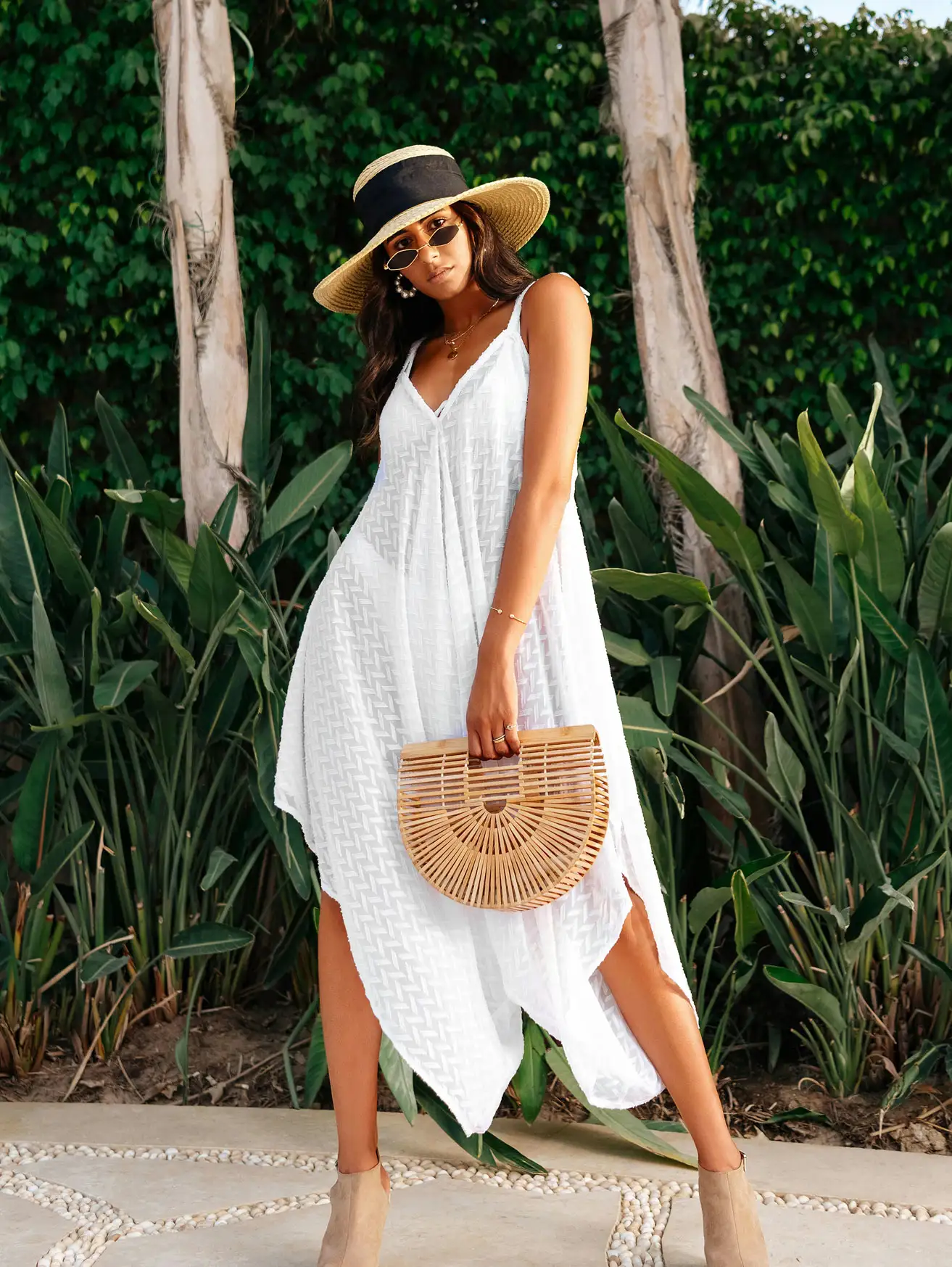
The edit is deliberately small: unstructured shapes, no boning, nothing that requires you to stand a particular way.
On creasing
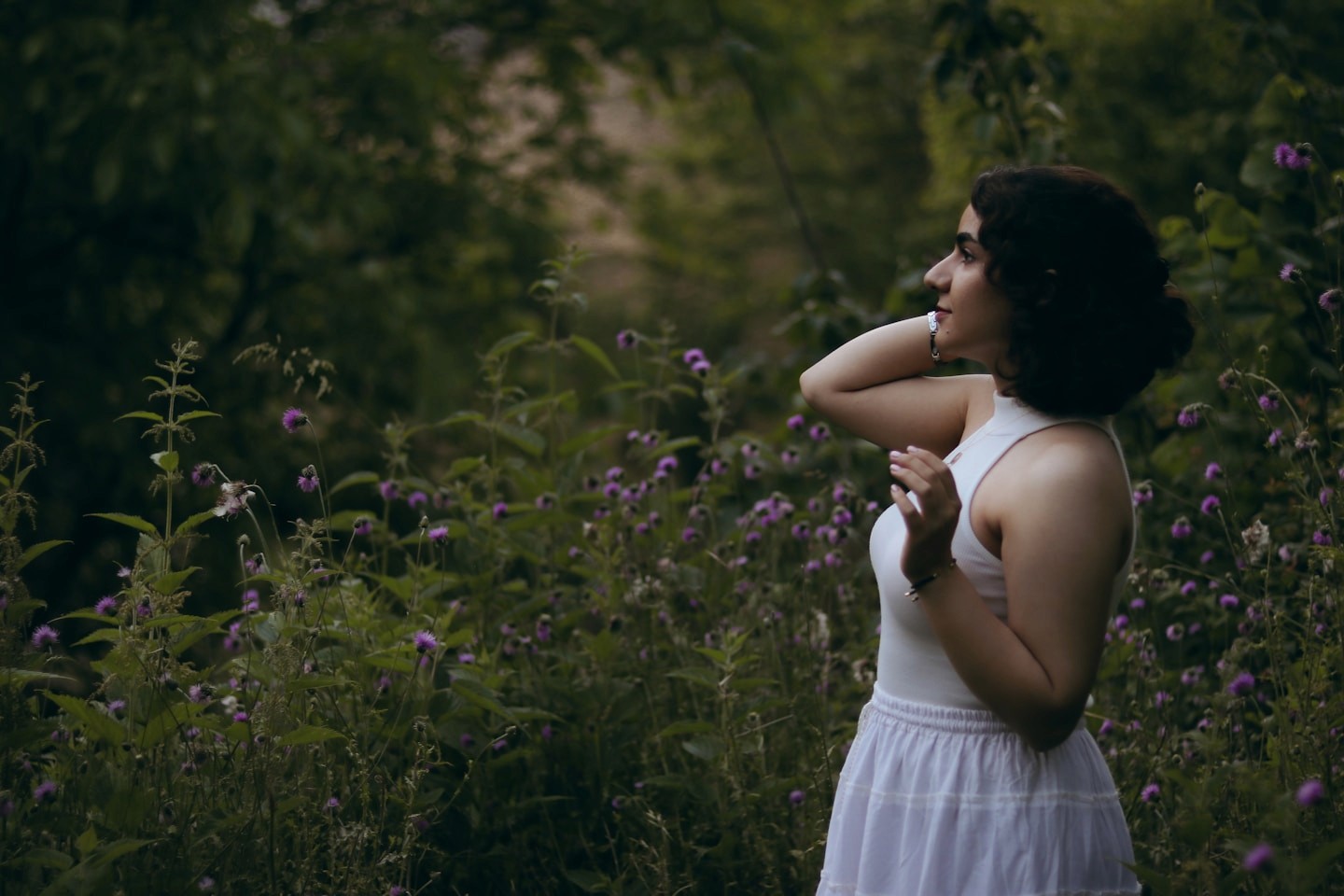
It creases. That is not a flaw we tolerate; it is the point. A dress with no creases in the photographs is a dress nobody moved in.
Sit down in it before you buy it.
Do not steam it on the morning. Hang it the night before and let it settle.
Expect it to look worn by the evening, because you will have worn it.
Afterwards
Every piece in the edit is cut so it can be dyed later. Roughly a third of them are, usually within two years, usually to something dark and useful.
The rest of the wardrobe
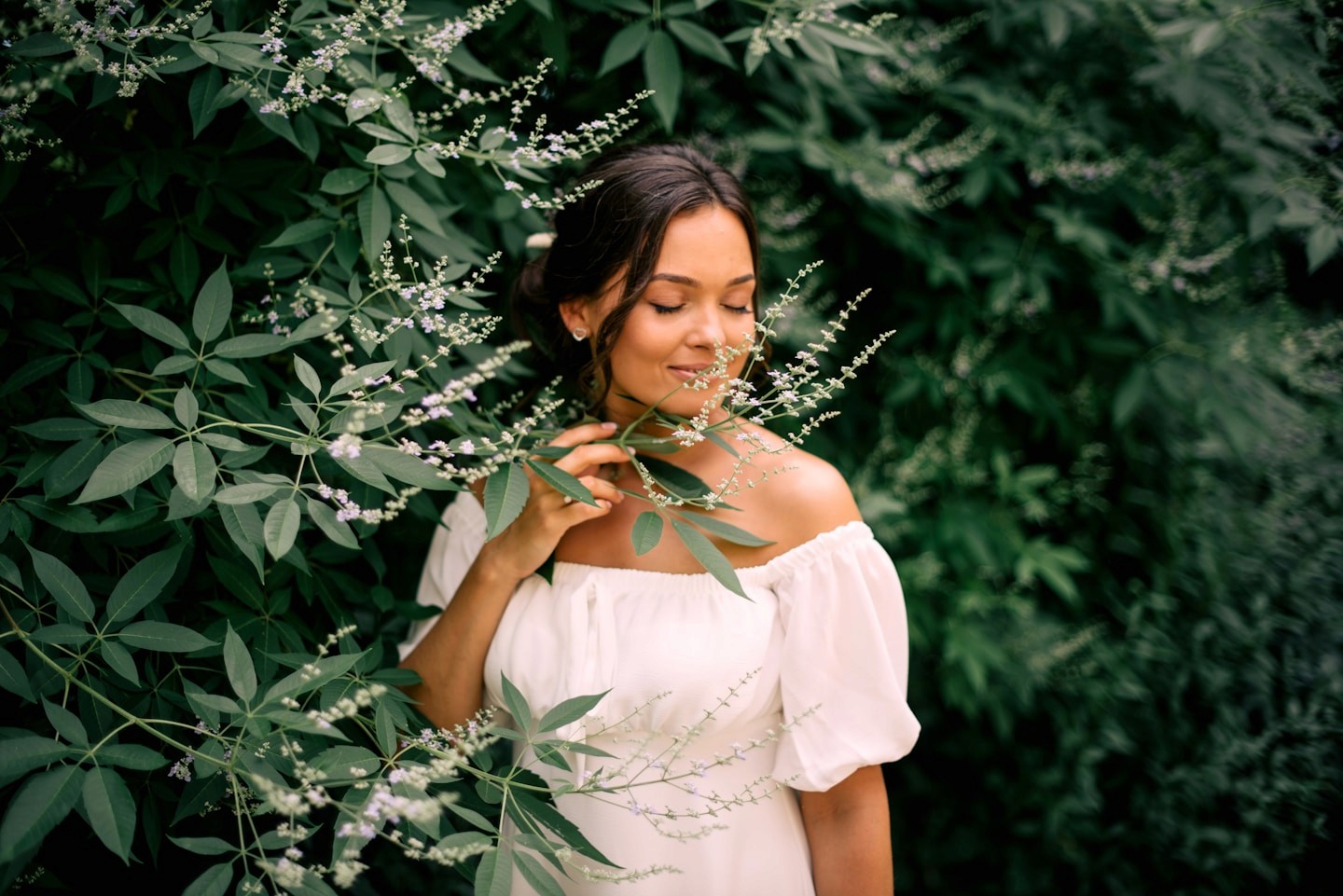
If the dress ends up in weekly use, we have done our job. The same cloth runs through the wider collection.
Sinéad Moore
Frequently Asked Questions
Why linen for a wedding?
Because most wedding cloth is engineered to photograph well for one day. Linen is engineered to be worn for thirty years.
Will the dress crease?
Yes, and deliberately so. Creases are evidence of movement, which is the point of the edit.
How large is the edit?
Deliberately small — unstructured shapes, no boning, and nothing that requires you to stand a particular way.