Origin Stories
Origin Stories | Órla
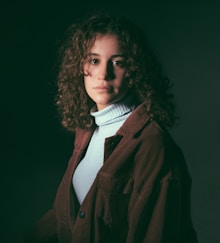
Written by Grace O'Connor
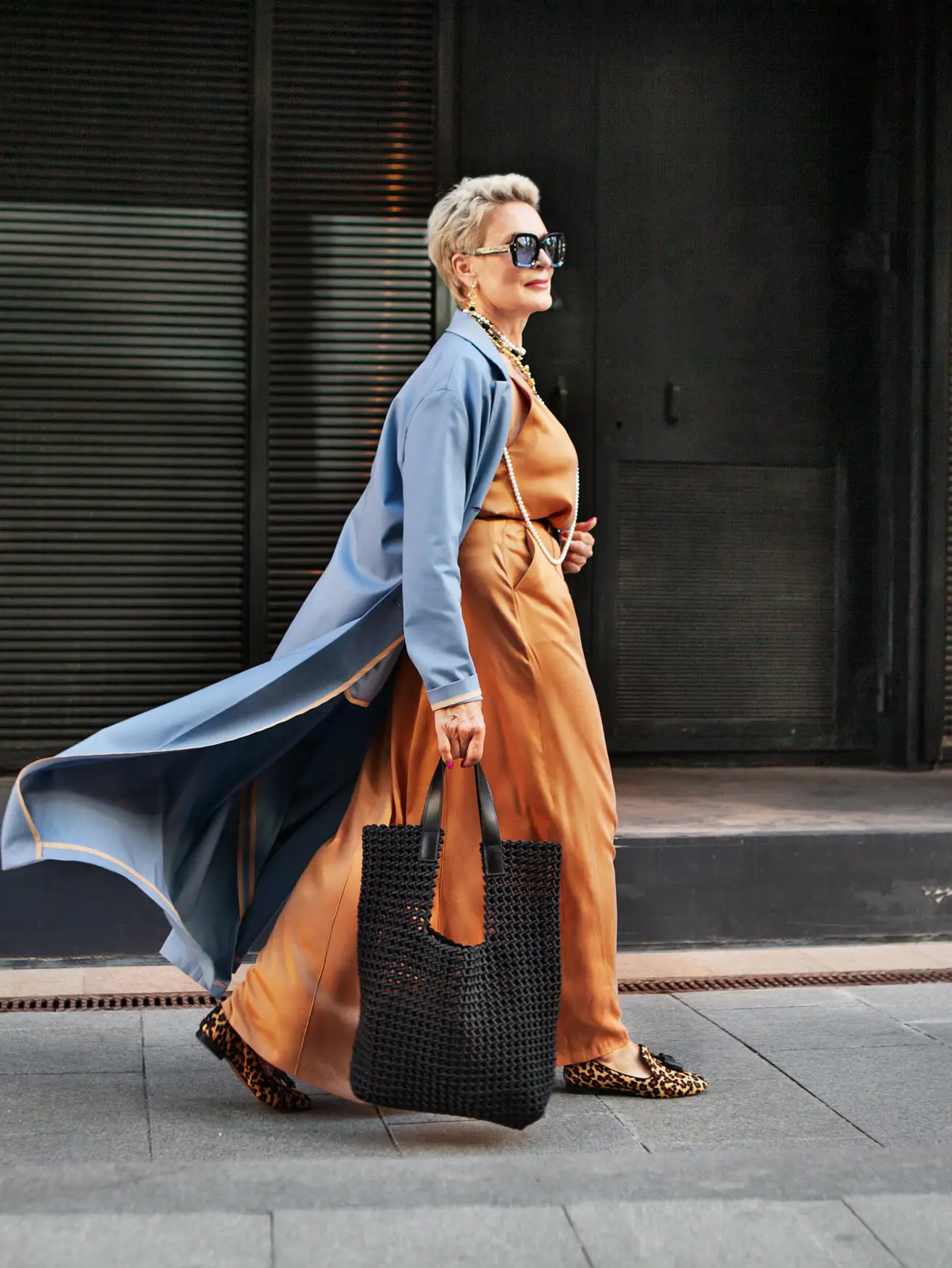
Jess grew up on a yard in Kildare and has never really left, though she has tried twice. Almost nothing in her wardrobe was bought new.
Everything second-hand
She came to cloth late, after a decade in graphic design, and calls the switch less a departure than a correction. The work is slower now. It is also, she says, more honest — a seam either sits or it does not.
There is no version of a sleeve that reads well on a screen and fails on the body. That single fact took her ten years to find and about ten minutes to accept.
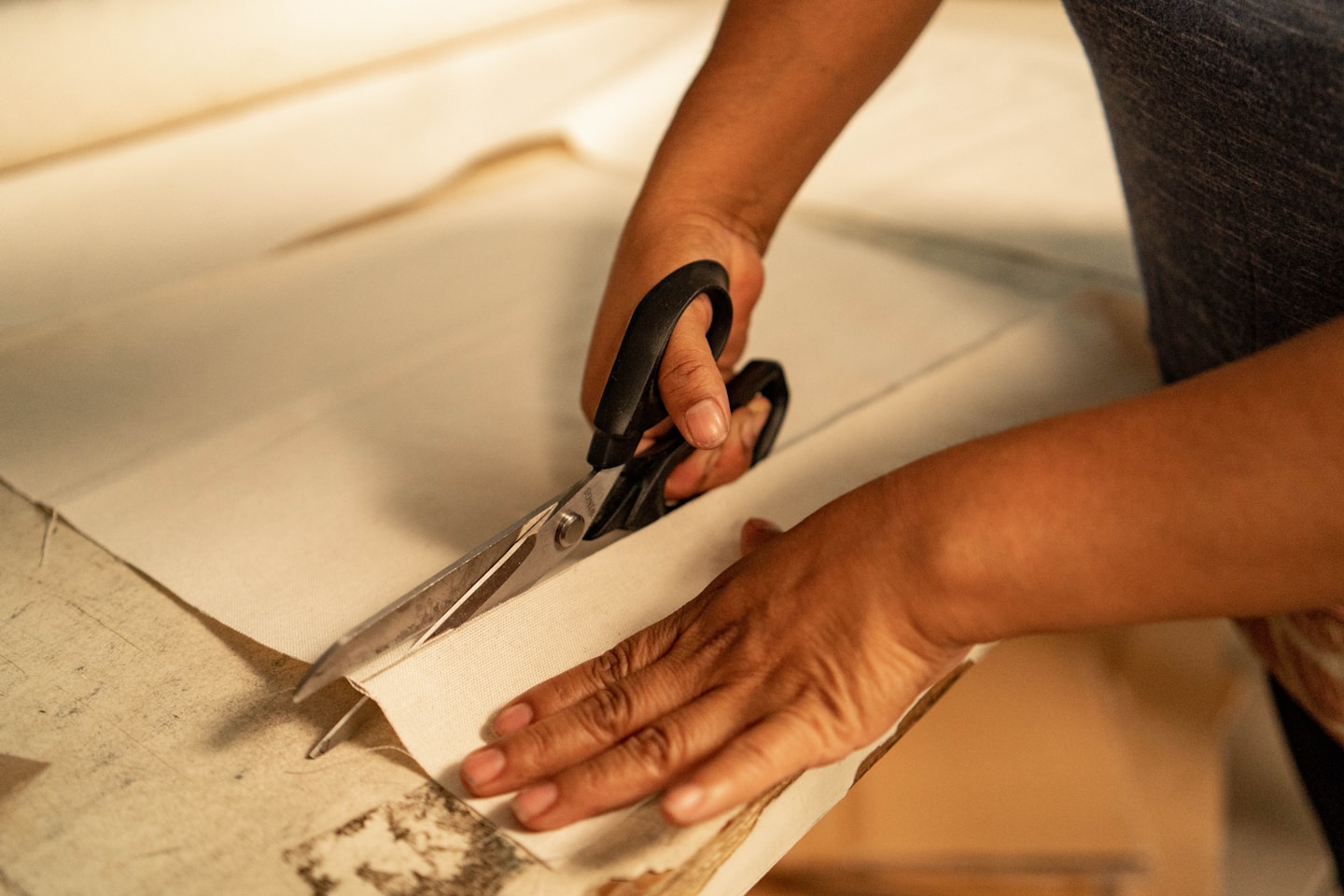
She is not sentimental about it. Good cloth simply outlasts its first owner, and refusing it would be the waste.
A cloth with no mends in it is a cloth that was never trusted with anything.
Find the grain, or nothing that follows matters.
Cut once, cut slowly, and stop before you think you are finished.
Keep the failures where you can see them.
The wearing test
Her only real criterion is whether a thing survives a working morning. Very little bought new in the last decade does. The argument is expanded in What We Keep.
The same argument

The apron
She wears the linen apron most days. It softens with every wash, which is precisely what you want from anything you use hard. It is the same argument we make about everything we cut — that use is not damage, and cloth which shows its use is cloth that has been trusted. The apron has chalk in the weave now. She has no intention of washing it out.
Órla Ní Bhraonáin
Frequently Asked Questions
Where does Órla work?
In a converted milking parlour an hour south of Galway, where she cuts on a single long table and the light comes in low.
Did she always make clothes?
No. She spent a decade in graphic design before moving to dressmaking, a switch she describes as a correction rather than a departure.
Does she take commissions?
A small number each year. She takes two apprentices and opens the workroom for a few days each summer.
Related Articles


