Origin Stories
Origin Stories | Fionn

Written by Grace O'Connor

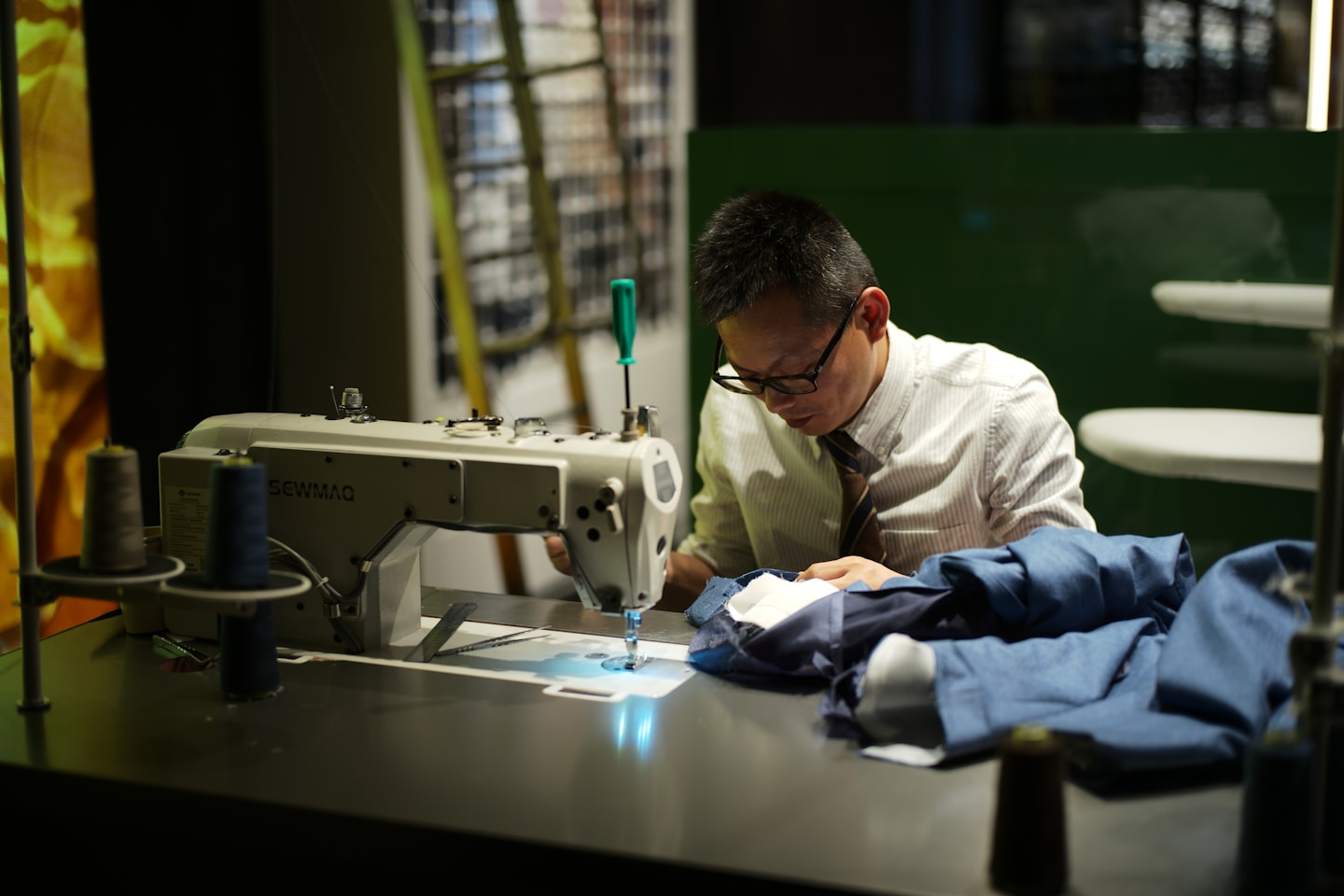
Fionn cuts jackets the way they were cut here for two centuries, which is to say slowly and mostly by eye.
To the grain, not the pattern
She works to the grain rather than the pattern. Cloth that wants to fall one way is allowed to. The pattern, she says, is a suggestion made by someone who has not met the cloth.
A year, four generations
A jacket made this way takes a year, between other work. It also lasts four generations, which she considers a reasonable trade.
Anyone can make a jacket that fits in the shop. The trick is one your grandchild will still be arguing about.
On tools
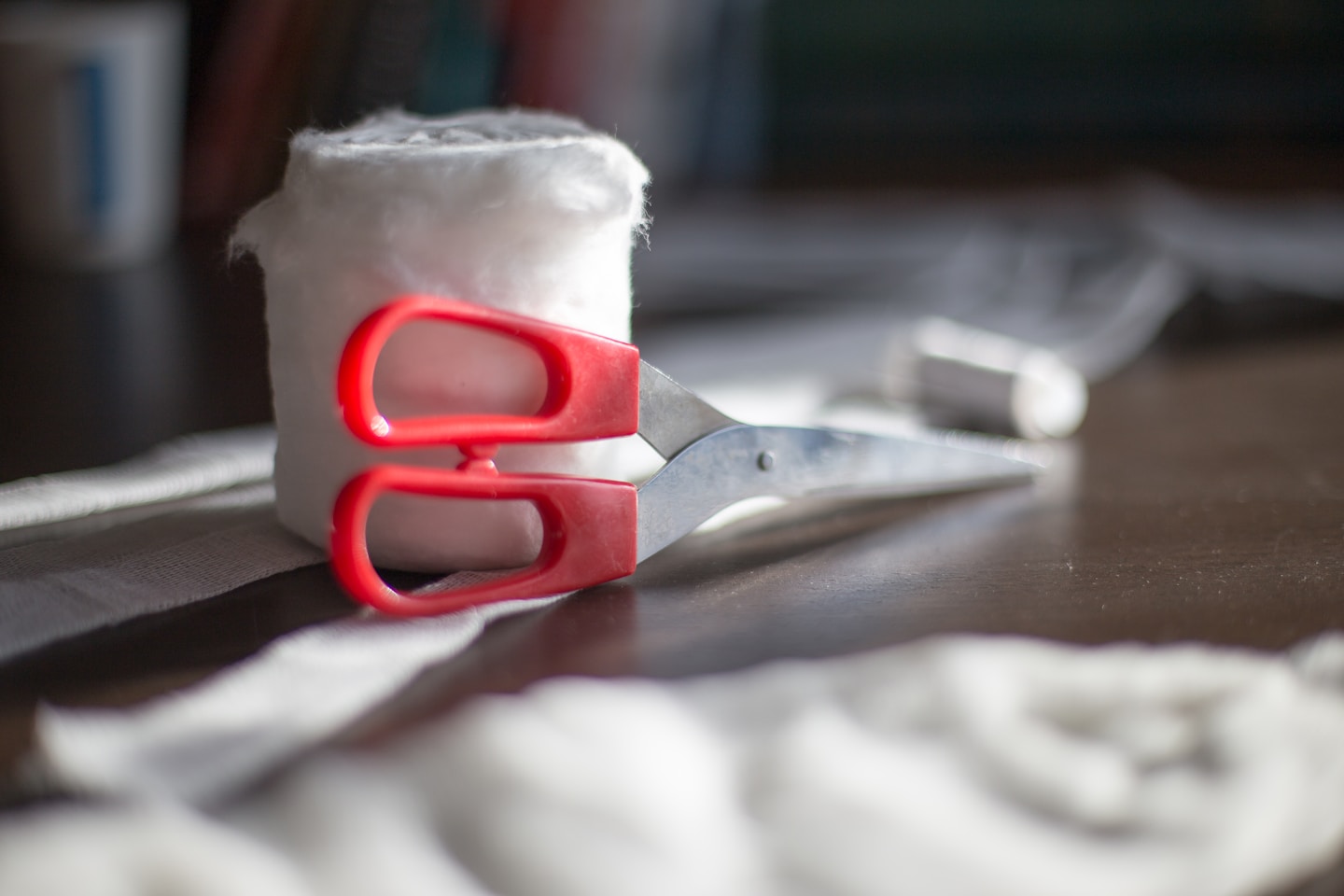
Most of her shears are older than she is. Two were her mother’s. She has bought exactly one new pair in thirty years and describes them, without irony, as still being broken in.
The same argument
It is the argument we make about cloth everywhere: cut it once, cut it slowly, and let the material have a say. The people who think this way are collected in Kindred Spirits.
Fionn Ó Dálaigh
Frequently Asked Questions
How does Fionn work?
The way tailors worked here for two centuries — slowly, and mostly by eye, working to the grain of the cloth rather than the pattern.
How long does a jacket take?
About a year, between other work. They last roughly four generations, which she considers a reasonable trade.
Does she use patterns?
Loosely. Cloth that wants to fall one way is allowed to.
Related Articles