Origin Stories
Origin Stories | Niamh

Written by Grace O'Connor

Niamh works from a dye house that faces the Atlantic, which means the palette is written by the weather rather than by her. She has made peace with this in the way you make peace with a landlord.
Three mornings a week
She forages three mornings a week — sea beet, dulse, lichen — and freely admits that half of what she brings back gives nothing at all. The failures go in a bucket. The bucket goes on the garden.
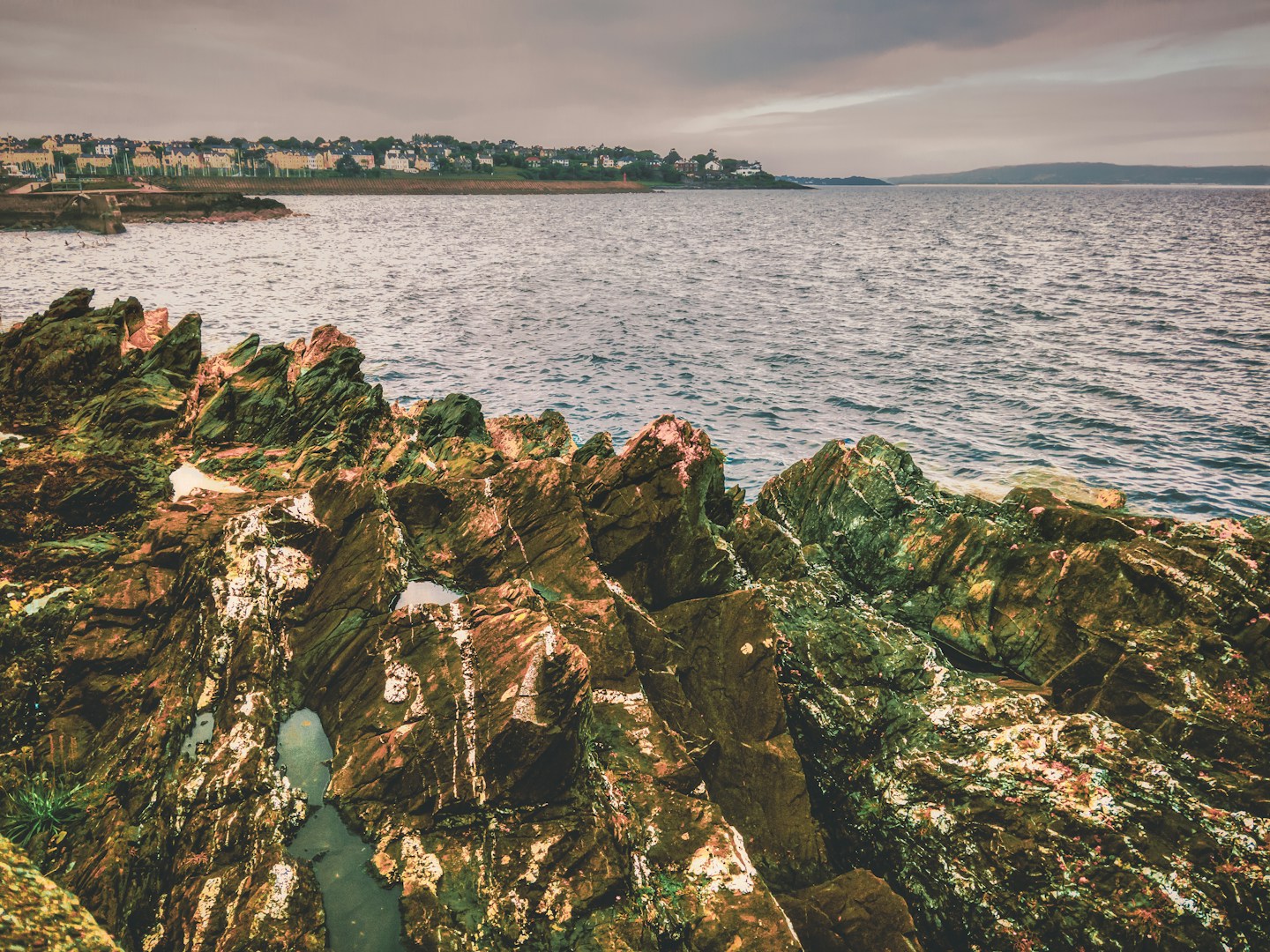
The half that does
The half that does gives colours you cannot buy: a grey-green that shifts toward the sea, a soft rust that arrives on the third dip and nowhere else. People drive two hours to see the cloth. She finds this funny. The drive, she says, is the seasoning.
Sea beet, which gives a green so quiet most people read it as undyed.
Dulse, dried on the rocks and then in a low oven, until the colour turns savoury.
Lichen, used sparingly, because it is exactly as assertive as it sounds.
The apron problem
She goes through aprons at a rate that alarms her accountant. Linen, she has decided, is the only cloth that survives salt water and a hot vat in the same day.
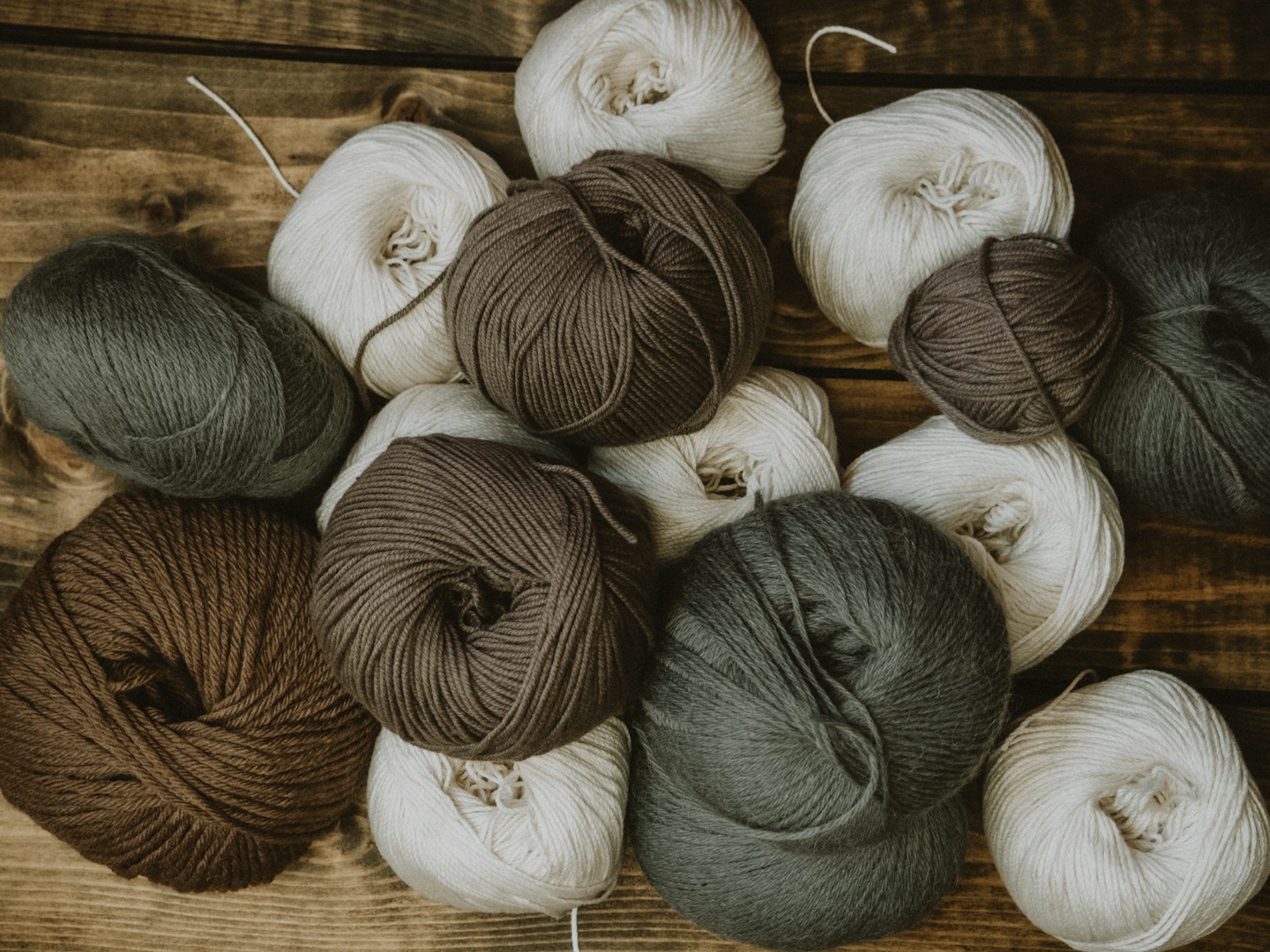
Written by weather
There is no fixed palette and there never will be. On a bad week the rail holds four colours. Nobody has ever asked for a refund. The pieces she dyes for us appear in the everyday collection, and never twice in quite the same shade.
Niamh Ó Conaill
Frequently Asked Questions
What does Niamh forage?
Sea beet, dulse and lichen, gathered three mornings a week along the shoreline near her dye house — all of it for colour rather than the pot.
Is the palette fixed?
No. It is written by the weather. She admits that roughly half of what she brings back yields nothing usable.
Are the colours repeatable?
Not exactly, and she considers that the point. Each batch records a particular week of a particular shore.
Related Articles