Stories
A Season in Linen

Written by Emma Fitzgerald

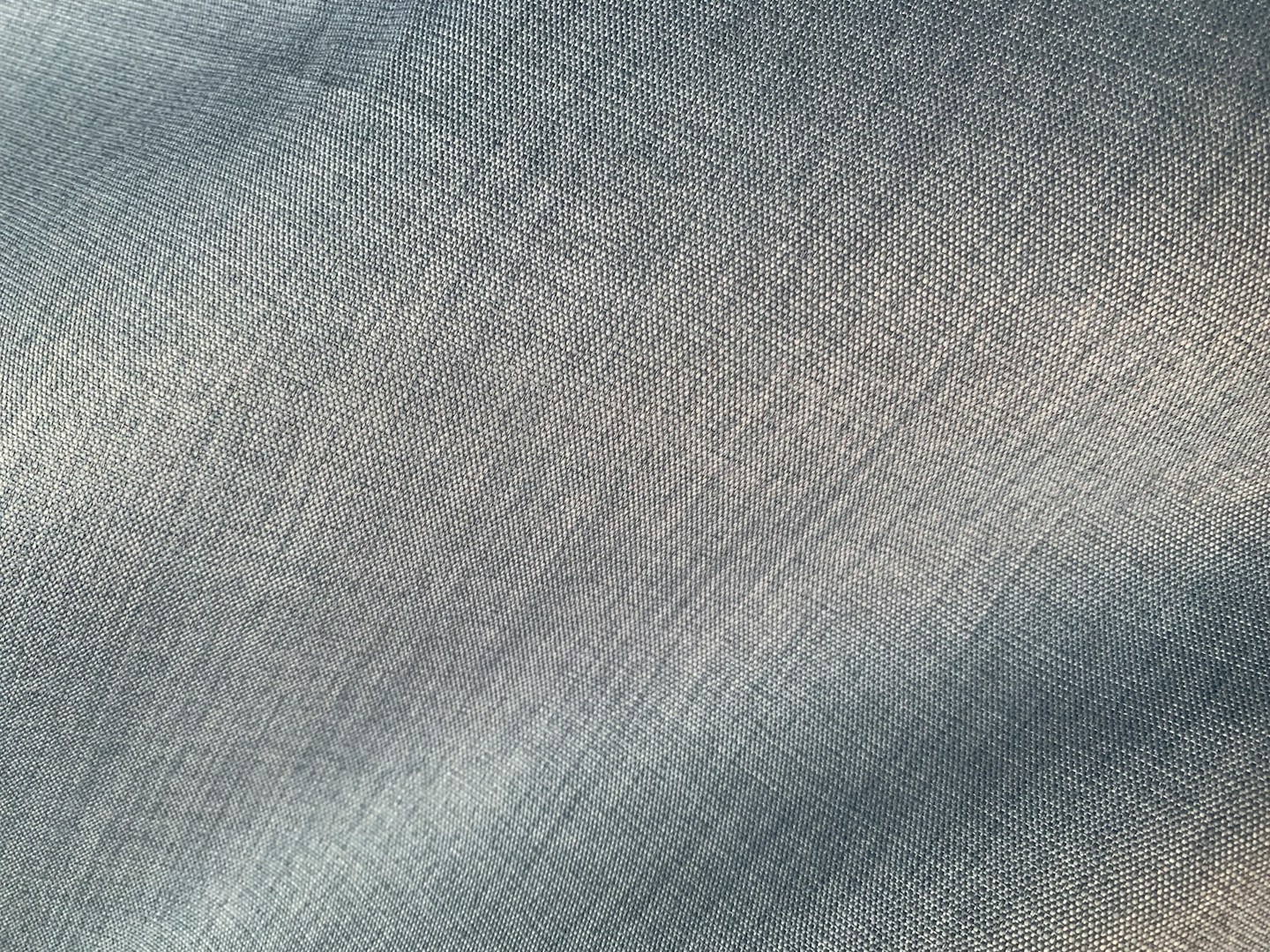
Linen has a short memory and a long life. It creases the moment you sit down and forgets it by morning.
The contradiction
That contradiction is the whole appeal. A fibre that refuses to look untouched is a fibre that assumes you intend to touch it. Most cloth is designed to hide the fact that a person is inside it. Linen cannot manage this and has stopped trying.
One shirt, one summer
We spent a summer wearing one shirt to find out how much a single garment can carry. The rules were short:
One shirt, worn as often as it was clean.
Washed at thirty degrees, line dried, never ironed.
No repairs unless something actually failed.
Nothing failed. The collar softened in week three and the cuffs about a month later. By August it had stopped looking new, which is a different thing from looking old.
What it carried
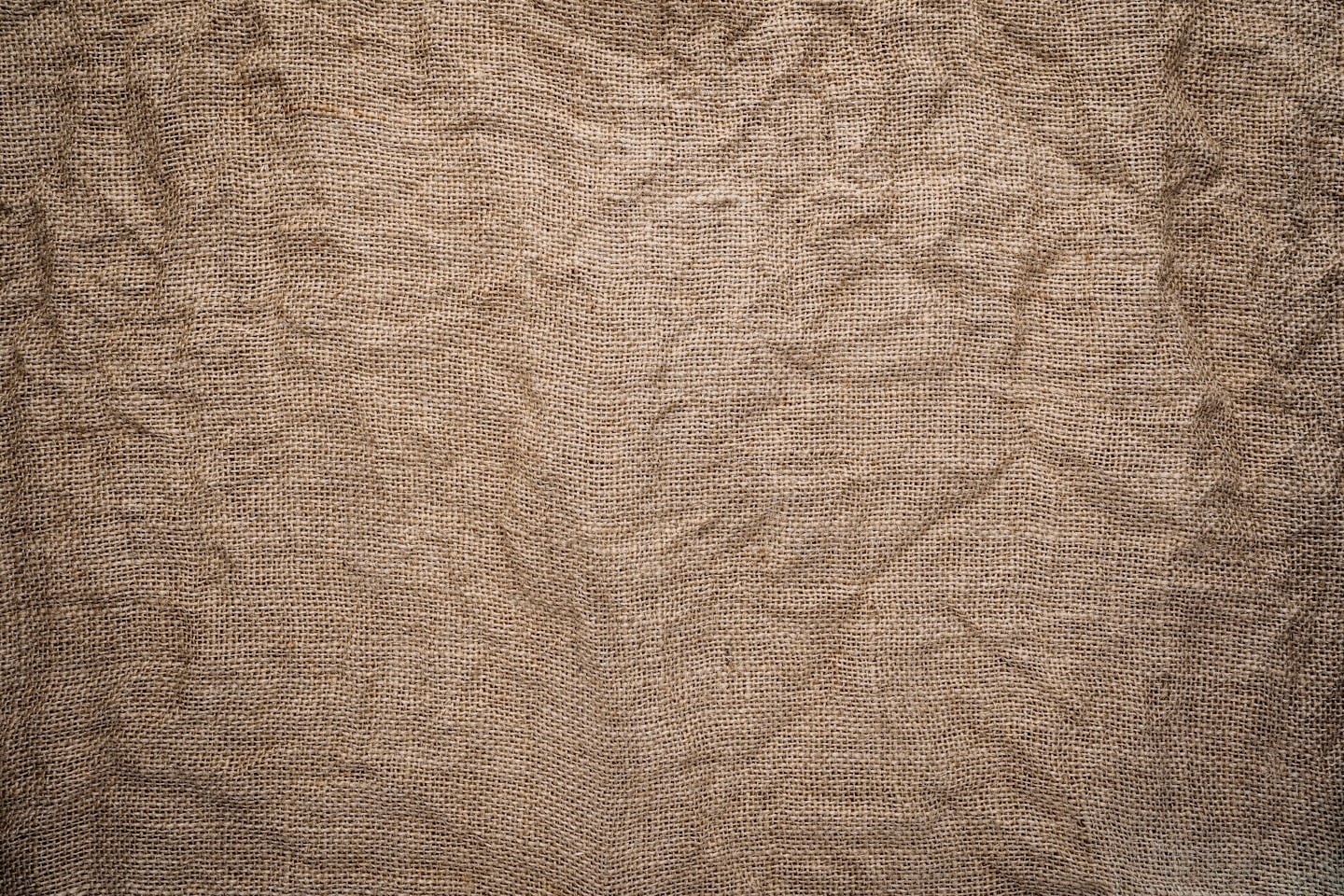
It carried more than we expected: three weddings, a funeral, a fortnight of rain and one long argument about hems. It is still in the drawer. You can find its descendants in shirts and blouses.
Cormac Byrne
Frequently Asked Questions
Why does linen crease so much?
Because flax fibre has very little natural elasticity. It creases when it bends and releases the crease as it hangs or is washed.
Does linen get softer?
Yes. Every wash breaks down the pectin binding the fibres, which is why an old linen shirt feels nothing like a new one.
Is one shirt for a summer realistic?
It was for us, though it required a washing line and a tolerance for creases. Both are easier to acquire than people expect.